Home >
News >
Industry information >
Specifications Are the Foundation — Real-World Use Defines Value
02/12/2025
Specifications Are the Foundation — Real-World Use Defines Value
Share
Portable power products are often compared by numbers — capacity, output, charging speed.
And specifications do matter. They define performance, safety, and technical limits.
But as portable power is used in more outdoor, mobile, and emergency scenarios, one thing becomes clear:
numbers alone don’t explain how a product performs in real life.
Why Specifications Still Matter
Specifications are the starting point of any reliable power solution.
Battery capacity, output rating, and protection systems ensure:
stable performance
safe operation
predictable results
Without solid technical foundations, real-world usability simply isn’t possible.
But technical strength is only the first step.
Where Real-World Use Changes the Decision
Once a product leaves the spec sheet and enters real environments, different questions appear:
Is it easy to carry and deploy?
Can it adapt to different situations?
Does it reduce extra equipment or complexity?
Will it still perform when conditions aren’t ideal?
In outdoor and mobile use, usability often determines whether a product is trusted — or left behind.
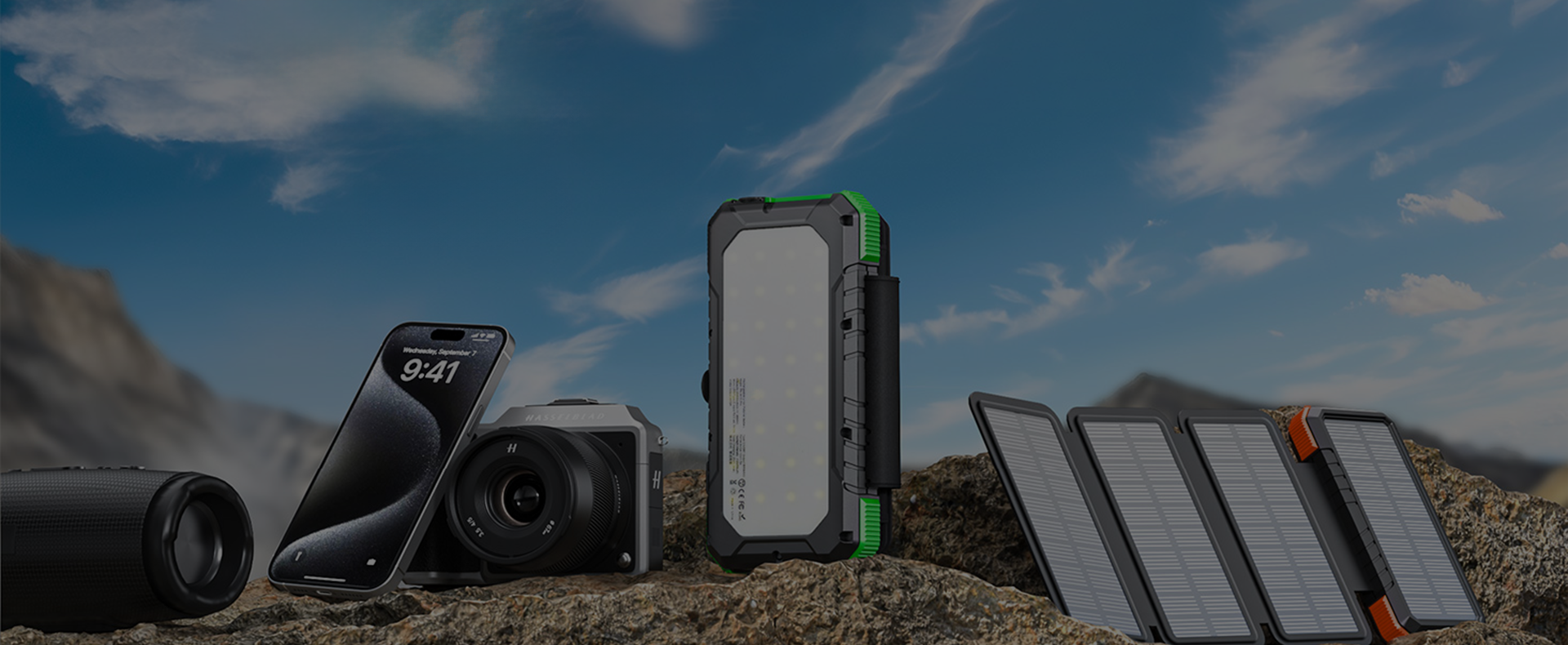
From Technical Capability to Practical Value
The most effective portable power solutions are those that balance:
technical reliability
thoughtful design
practical functionality
When power solutions are designed around real scenarios, users gain confidence, flexibility, and peace of mind.
This approach doesn’t replace specifications —
it builds on them.
Designing for Real Moments That Matter
At LEO WAY, we believe portable power should support how people actually move, work, and explore.
That means:
focusing on portability
integrating useful features
designing products that feel reliable, not complicated
Because when power is needed outdoors or on the move, clarity and reliability matter more than complexity.
Specifications define what a product can do.
Real-world use defines what it should do.
Understanding both is how better portable power solutions are built.